How We Build Brand Systems That Last
Our approach starts with understanding what makes your business different, then translates that into visual and strategic elements that work across every customer interaction. No templates, no shortcuts—just methodical work that creates coherent brand experiences.

Four Phases That Create Clarity
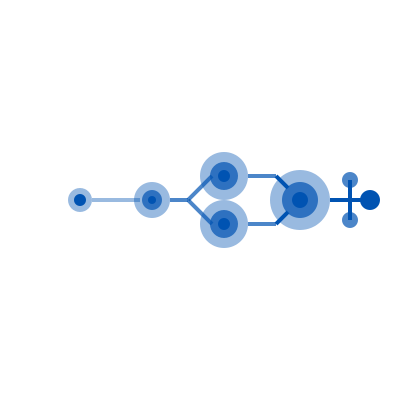
Each project moves through distinct stages designed to build understanding first, then create solutions that reflect what we've learned. The sequence matters because decisions in later phases depend on insights from earlier work.
Research & Analysis
We examine your market position, competitor landscape, and customer perceptions. This includes stakeholder interviews, brand audit, and identifying gaps between how you see yourself and how others experience you.
Strategy Definition
Building on research findings, we define positioning statements, messaging frameworks, and visual direction. This phase establishes the logic that will guide all creative decisions.
Design Development
Creating logo systems, color palettes, typography standards, and visual elements. We test concepts against strategic criteria and refine based on how well they communicate intended positioning.
Implementation & Guidelines
Documenting usage rules, creating application templates, and establishing governance systems. This ensures the brand can be applied consistently by different teams over time.
Why Sequential Work Produces Better Results
Brand development fails when teams jump to visual design before understanding the business context. We've seen companies waste months on logo explorations that couldn't work because positioning was never clarified.
Our process forces the right questions at each stage. Research identifies what actually differentiates you—not what you hope differentiates you. Strategy translates those differentiators into messaging that resonates with specific audiences. Design creates visual systems that reinforce those messages at every touchpoint.
This sequential approach means later work builds on verified insights rather than assumptions. When design begins, we already know what emotional response we're aiming for and which audience segments matter most. That specificity produces focused creative work instead of generic solutions.

Building Understanding Before Creating Solutions
Discovery work determines whether we're solving the right problem. We conduct competitive analysis, customer perception studies, and internal alignment workshops. The goal is identifying authentic differentiators—capabilities or qualities that genuinely set you apart and that customers actually value.
This phase typically reveals gaps between leadership's view of the brand and how customers or employees experience it. Those gaps become focal points for strategic work. We also assess which brand elements are working and should be preserved versus what needs fundamental rethinking.
- Stakeholder interviews across departments and levels
- Customer perception research and competitive positioning analysis
- Brand audit evaluating current touchpoint effectiveness
- Market opportunity identification and audience segmentation
Translating Strategy Into Visual Language
Creative development begins only after strategic direction is established and approved. We explore visual concepts that express positioning statements through typography, color psychology, and compositional approaches. Initial concepts are tested against strategic criteria—does this feel premium enough, does it communicate innovation, does it convey stability.
This iterative refinement continues until visual elements reliably trigger intended associations. We develop full identity systems including logo variations, color palettes with specified usage contexts, typography hierarchies, imagery guidelines, and graphic element libraries.
- Concept exploration tied to strategic positioning requirements
- Prototype testing across various application contexts
- Refinement based on stakeholder feedback and strategic alignment
- Final asset production in all required formats and specifications
Creating Frameworks That Enable Consistency
Brand guidelines document not just what elements look like, but how to make decisions when applying them. We specify minimum sizes, required clearances, approved color combinations, and typography pairings. More importantly, we explain the reasoning behind these rules so teams understand the principles driving consistency.
Documentation includes application templates for common use cases—presentations, social media graphics, email signatures, proposal documents. We also establish approval workflows and governance structures that balance consistency with practical flexibility as the brand evolves.
- Comprehensive brand manual with technical specifications
- Application templates for frequent touchpoint types
- Governance framework defining approval authority and processes
- Training materials for internal teams managing brand applications
What Drives Our Approach
These principles shape how we work with clients and make decisions throughout projects. They reflect what we've learned from both successful implementations and projects that went sideways.
Evidence Over Assumptions
We test positioning concepts with actual customers before committing to visual development. Strategic decisions need validation from the people who will ultimately judge whether your brand resonates or falls flat.
Clarity Before Creativity
Visual exploration begins only after strategic direction is locked. Designing without clear positioning parameters produces aesthetically pleasing work that doesn't solve business problems or differentiate in competitive contexts.
Systems That Scale
Brand elements must work across contexts you haven't imagined yet. We build flexible frameworks with clear decision rules rather than rigid templates, enabling teams to apply the brand consistently even in novel situations.